


Featured artists on Egidi MadeinItaly

Matteo Grassi
Over the years, Matteo Grassi has worked with an impressive array of designers, the likes of Carlo Bartoli, Piero Lissoni, Alessandro Mendini, Franco Poli, Eoos, Luigi Massoni, Jean Nouvel, Matteo Nunziati, Mauro Lipparini, and Rodolfo Dordoni.
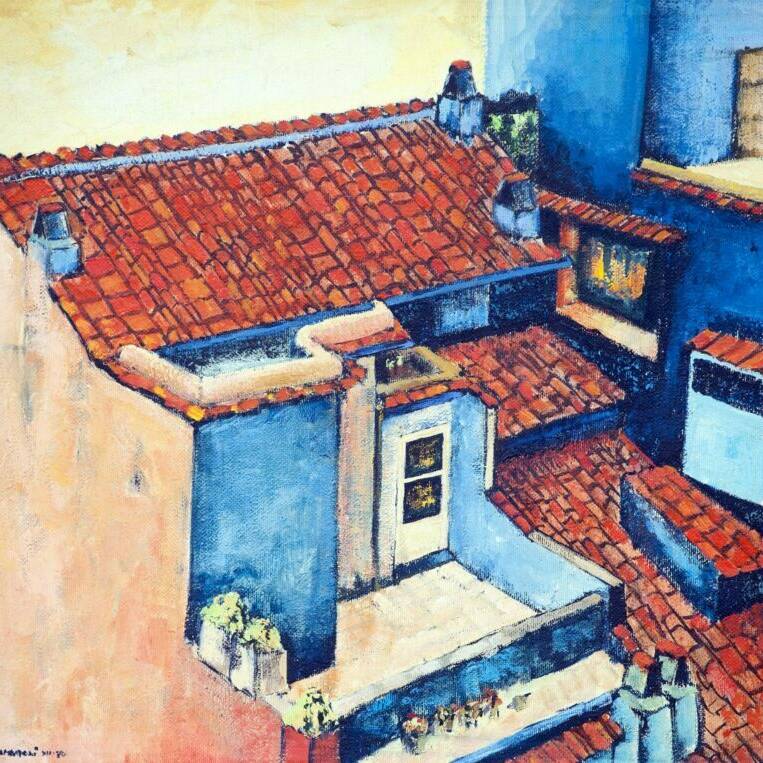
Mauro Stampatori
Mauro Stampatori (1948-2014) was a Roman painter and an architect.

Max Ingrand
On the occasion of the 1961 International Furniture Exhibition, Max Ingrand erected the large luminous fountain in the garden of the Villa Reale in Monza

Meret Oppenheim
Meret Oppenheim did not like to be identified as an exponent of a particular artistic strand, although her name was always linked to the current of surrealism.
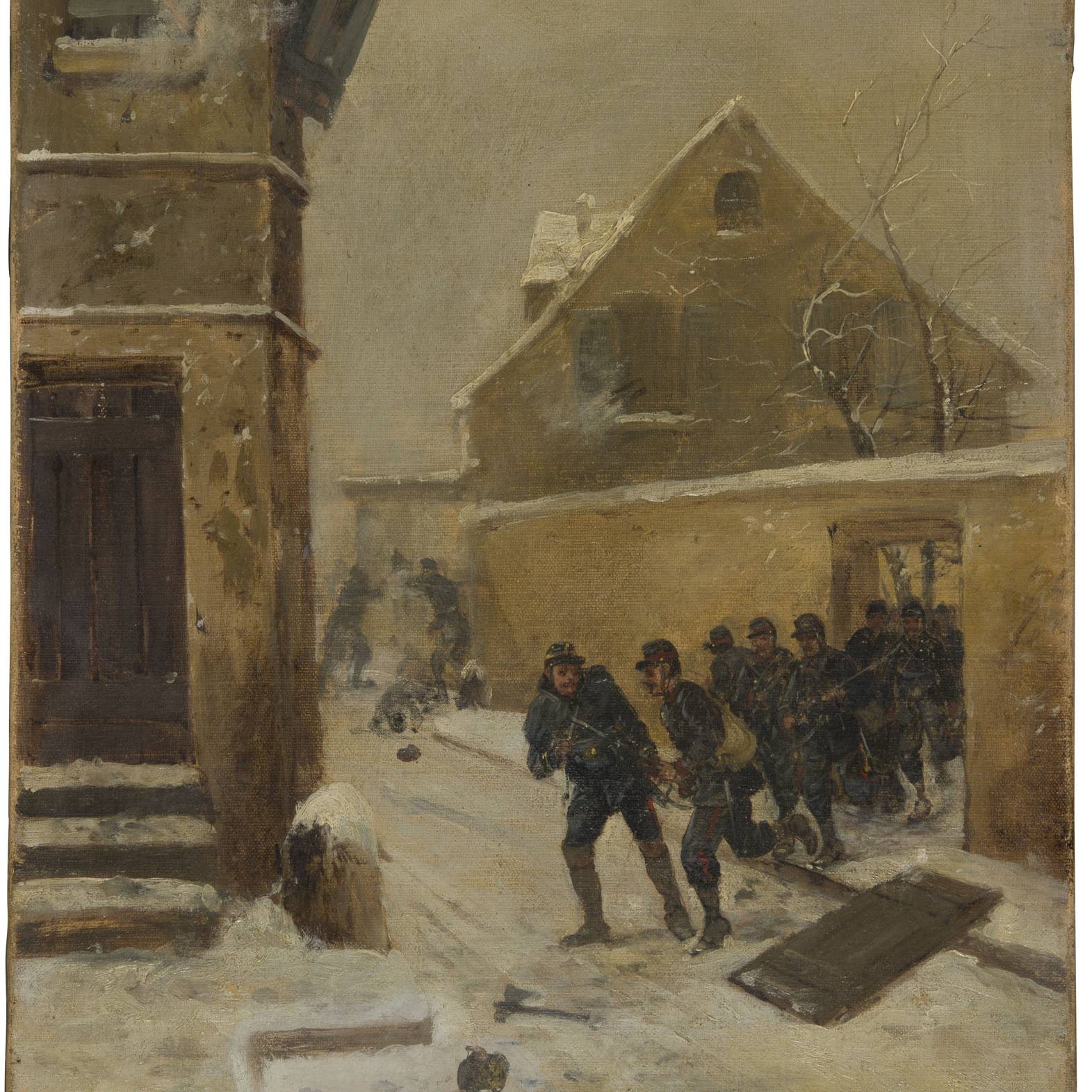
Michele Cammarano
In 1900 he returned permanently to Naples, where in 1902 he assumed the chair of painting at the Academy of Fine Arts, formerly held by Palizzi, remaining there until his death.

MIM Mobili Italiani Moderni
MIM (Mobili Italiani Moderni) was founded in Rome in 1957 as a company for the design, construction and sale of furniture.
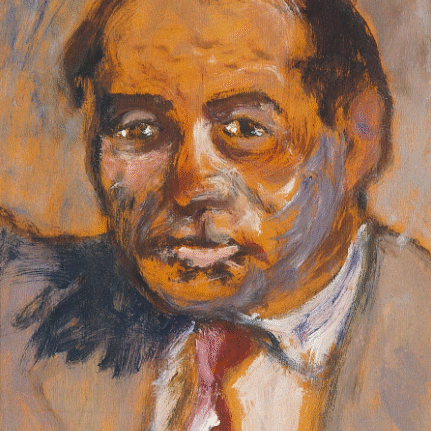
Mino Maccari
Influenced by the Strapaese movement, Maccari is known for a caustic style with grotesque figures and social themes.

Morabito
In 1958, the Maison Morabito created the Orsay bag for Marilyn Monroe to use as a travel bag.

Moritz Ludwig von Schwind
His works continue to captivate audiences for their ability to evoke distant, idealized worlds, making him an indispensable figure in 19th-century art history.

Moya Dyring
Her apartment in Paris became a home base to passing artists. The apartment became known as Chez Moya.
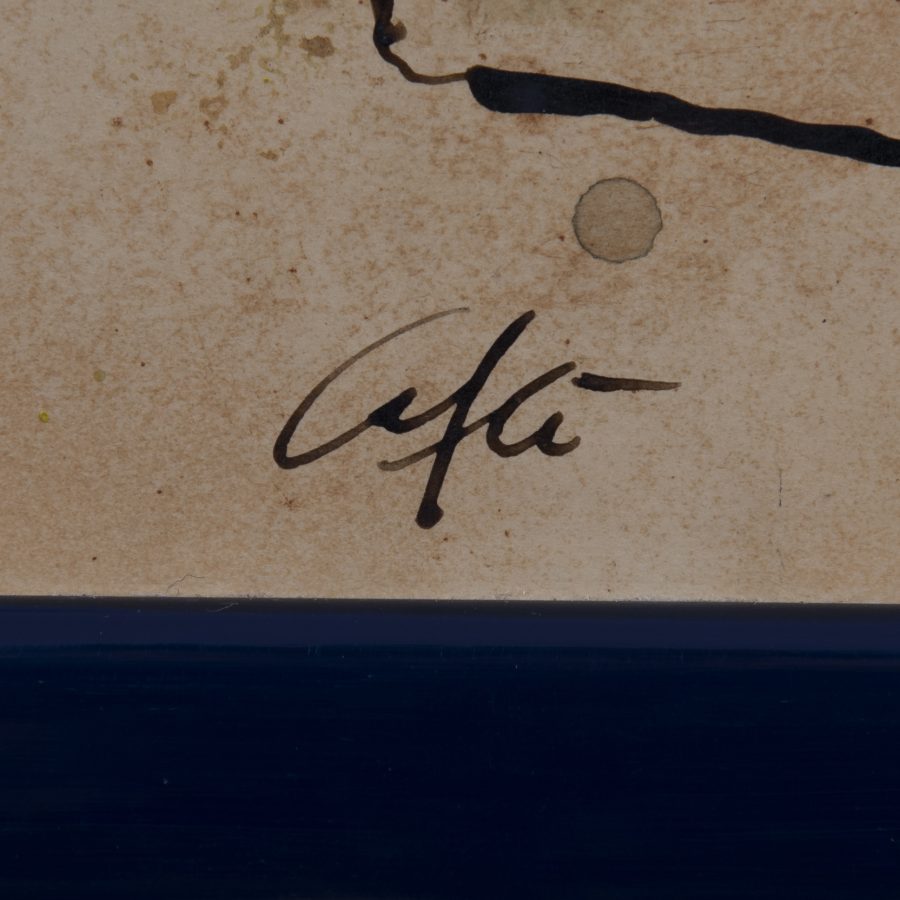
Nino Caffè
His house was across from the Cathedral and from the window he could see seminarians, who became his young priests.
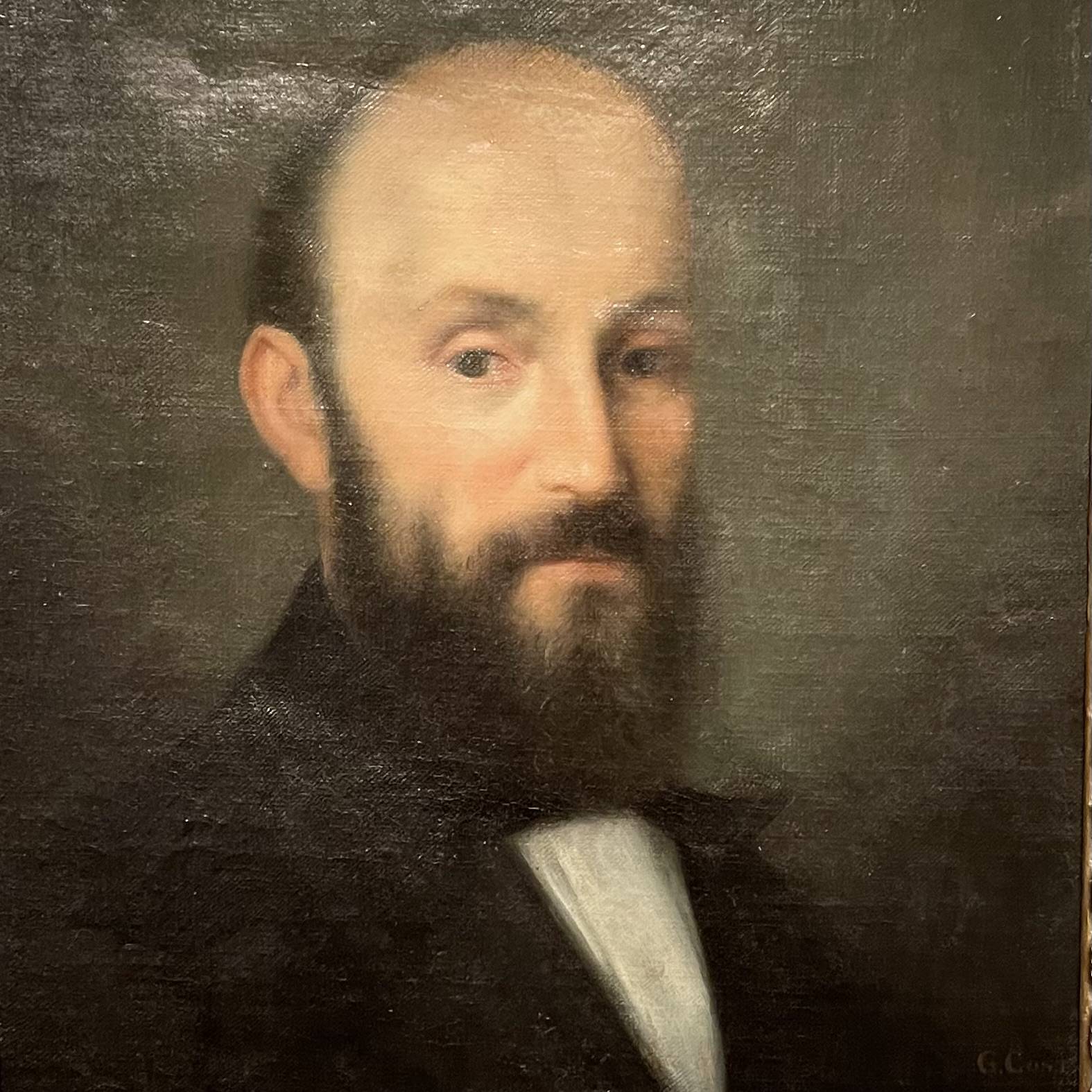
Nino Costa
In 1863 he moved to Paris where he deepened his knowledge of painters from the 1830s like Corot who admired and encouraged his work.