


Modern art emerged from a profound transformation in the way the artwork and the role of the artist were conceived. Between the late nineteenth century and the twentieth century, painting and sculpture progressively moved away from academic models, experimenting with new languages, forms and ways of representing reality.
Rather than a single movement, modern art encompasses a complex range of experiences, including the avant-gardes and both figurative and abstract research, united by the desire to redefine the relationship between art, society and modernity.
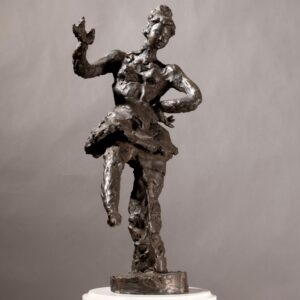
Characteristics of Modern Art
A defining feature of modern art is the growing autonomy of form, colour, matter and space. Faithful representation of reality is no longer the sole objective. Instead, the work itself increasingly becomes a field for experimentation and interpretation.
Artists experiment with new techniques and materials. Moreover, while the social, scientific and political transformations of the twentieth century alter the very way in which the world is observed and interpreted. From this drive towards renewal emerge very different languages, ranging from modern figuration to abstraction and the experiments of the avant-gardes.
The Artistic Avant-Gardes of the Twentieth Century
The historical avant-gardes pushed this spirit of experimentation to its most radical forms, opening new possibilities for artistic expression. From Futurism to Cubism, from Expressionism to Dada and Surrealism, each movement developed its own language, interpreting the cultural and social transformations of the new century in different ways.
When Did Modern Art Begin?
There is no universally accepted date for the birth of modern art. Its origins are generally traced to the gradual transformations of the second half of the nineteenth century, when artistic conventions began to be questioned with increasing intensity. Impressionism represents one of the decisive stages in this process, followed by Post-Impressionist research and, in the first decades of the twentieth century, by the rapid succession of the avant-gardes. The concept of modern art therefore covers a broad chronological span and cannot be identified with a single school or a precise historical moment.
The Main Movements of Modern Art
Between the late nineteenth century and the first decades of the twentieth century, a series of decisive experiences transformed artistic language: from Divisionism to Expressionism, from Cubism to Futurism, through to Dada and Surrealism.
Each movement developed in relation to a specific cultural, social and political context. For this reason, the history of modern art cannot be understood as a uniform succession of styles: cities, territories and historical events played a decisive role in shaping the different artistic movements.
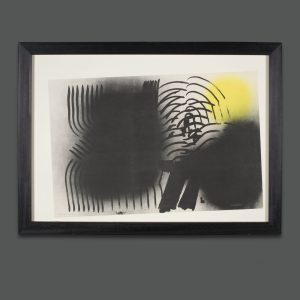
Modern Art in the Gallery
Egidi MadeinItaly selects paintings, works on paper and sculptures from twentieth-century Italian and international art, with particular attention to quality, provenance and art-historical documentation.
Egidi MadeinItaly and Modern Art
The fifteen years spent in Paris represented a fundamental period for Egidi MadeinItaly in developing its knowledge and understanding of modern art. Direct contact with museums, exhibitions, galleries and collections gradually broadened our interest in the historical avant-gardes and in the many artistic experiences of the twentieth century.
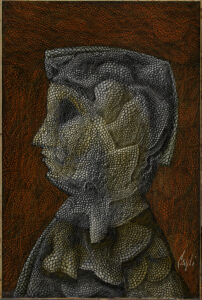
Particular attention is devoted to Italian art, from Futurism to the artistic research developed in Rome between the two World Wars, with a special interest in the Via Cavour School and the Roman School, through to the developments of the post-war period.
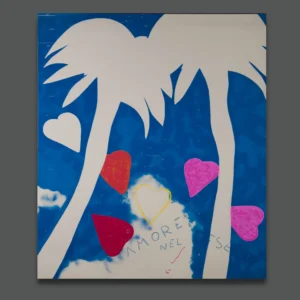
This knowledge continues to guide the gallery’s selection today, in the search for paintings, works on paper and sculptures capable of documenting the different languages of twentieth-century art with quality and authenticity.
Discover the modern art works currently available in our gallery.